About k2herbalsource
Synthetic cannabinoids, K2, Spice, and products marketed as K2 herbal incense are closely related terms, but they are not exactly the same. Here’s a comprehensive overview.
What Are Synthetic Cannabinoids?
Synthetic cannabinoids are man-made chemicals developed in laboratories that bind to the body’s cannabinoid receptors (primarily CB1 and CB2). They were originally created by researchers studying the endocannabinoid system and exploring potential medical applications.
Although they target the same receptors as THC (the main psychoactive component of cannabis), they are chemically different from THC. Many synthetic cannabinoids bind much more strongly to these receptors, which can make their effects significantly more intense and less predictable.
What Is K2?
“K2” is a brand name that became widely used for products containing synthetic cannabinoids. Rather than referring to one specific chemical, K2 has been sold as a variety of herbal mixtures sprayed with different synthetic cannabinoid compounds.
Because manufacturers often changed the chemical ingredients, two products sold under the same name could contain completely different substances.
What Is Spice?
“Spice” is another common trade name for herbal products containing synthetic cannabinoids.
Like K2, Spice does not refer to a single chemical. Instead, it has been used as a marketing label for products containing varying synthetic cannabinoid compounds.
Today, the terms K2 and Spice are often used interchangeably.
What Is K2 Herbal Incense?
“K2 Herbal Incense” generally refers to dried plant material coated with synthetic cannabinoids and marketed as incense or potpourri.
Historically, many products included labels such as:
-
Herbal incense
-
Potpourri
-
Room aromatherapy
-
Not for human consumption
These labels were often used despite the products being widely associated with recreational use.
How Synthetic Cannabinoids Work
Synthetic cannabinoids activate cannabinoid receptors throughout the brain and body.
The body contains two primary cannabinoid receptors:
-
CB1 receptors: Mostly found in the brain and central nervous system.
-
CB2 receptors: Primarily located in immune cells and peripheral tissues.
Many synthetic cannabinoids activate CB1 receptors much more strongly than THC, which contributes to their unpredictable effects.
Common Chemical Families
Hundreds of synthetic cannabinoid compounds have been identified.
Some well-known chemical families include:
-
JWH series
-
AM series
-
HU series
-
CP series
-
AB series
-
MDMB series
-
5F compounds
Manufacturers have frequently introduced new compounds as older ones became regulated.
Physical Forms
Synthetic cannabinoids have been marketed in several forms, including:
-
Herbal blends
-
Incense products
-
Potpourri
-
Liquids
-
Vape cartridges
-
Powders
The exact composition can vary greatly between products.
Appearance
Herbal products often resemble dried herbs or plant material and may be sold in colorful foil packages.
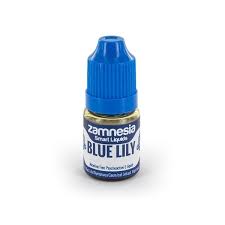
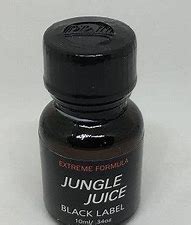
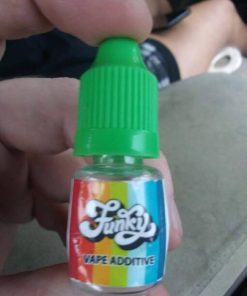
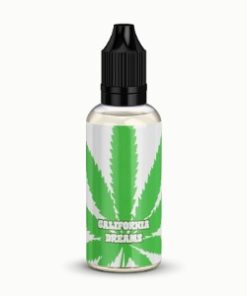
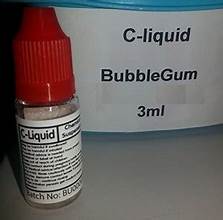
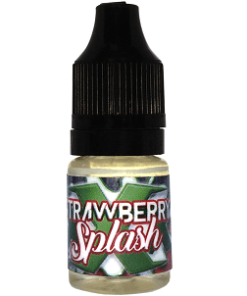
Liquid products are usually clear to amber-colored and packaged in bottles or vape cartridges.
Appearance alone does not indicate which chemicals are present.
Intended Research History
Synthetic cannabinoids were originally synthesized for scientific research to help scientists:
-
Study cannabinoid receptors
-
Better understand brain signaling
-
Investigate possible pharmaceutical applications
Many compounds were never intended for consumer use.
Differences Between Cannabis and Synthetic Cannabinoids
| Cannabis | Synthetic Cannabinoids |
|---|---|
| Derived from the cannabis plant | Produced in laboratories |
| Contains naturally occurring cannabinoids | Contains synthetic chemicals |
| THC is a partial CB1 agonist | Many compounds are full agonists |
| Composition is relatively predictable | Composition may vary widely |
| Often contains CBD | Usually lacks naturally occurring cannabinoids like CBD |
Why the Effects Can Be Unpredictable
Several factors contribute to unpredictability:
-
Unknown chemical ingredients
-
Variable concentrations
-
Different manufacturing methods
-
Uneven distribution on herbal material
-
Constant changes in formulations
Products with the same branding may contain different synthetic cannabinoids.
Potential Adverse Effects
Health authorities have linked synthetic cannabinoid use with a range of serious adverse effects, including:
-
Agitation
-
Severe anxiety
-
Confusion
-
Hallucinations
-
Rapid heart rate
-
High blood pressure
-
Vomiting
-
Seizures
-
Kidney injury
-
Loss of consciousness
Because of these risks, medical evaluation is recommended if someone experiences severe symptoms after exposure.
Why Formulations Change
Many manufacturers have historically modified chemical formulas after governments regulated specific compounds.
This has resulted in a continually changing market with many newly synthesized substances.
Legal Status
The legal status varies significantly by country.
Many nations have:
-
Banned individual synthetic cannabinoids
-
Prohibited entire classes of related compounds
-
Classified them as controlled substances
Some jurisdictions use broad “analogue” laws that cover newly created compounds even if they are not explicitly listed.
Anyone considering purchasing or possessing these products should check the laws in their own jurisdiction.
Laboratory Testing
Identifying synthetic cannabinoids typically requires specialized laboratory testing.
Standard cannabis tests do not reliably detect most synthetic cannabinoids.
Because new compounds are introduced regularly, laboratory methods must continually adapt.
Public Health Perspective
Public health agencies generally advise caution regarding synthetic cannabinoids because:
-
Their contents may be unknown.
-
Potency can vary dramatically.
-
Products are not standardized.
-
They have been associated with more severe adverse events than natural cannabis.
Frequently Asked Questions
Are K2 and Spice the same thing?
They are different brand names commonly used for products containing synthetic cannabinoids. Neither term refers to one specific chemical.
Is K2 natural?
No. While the plant material used in some products may be natural, the active chemicals are synthetic.
Why are there so many different synthetic cannabinoids?
Researchers originally developed many compounds for scientific study, and additional compounds have been created over time, including to replace substances that became regulated.
Can you tell what’s inside by looking at the product?
No. The appearance of the packaging or herbal material does not reliably indicate which synthetic cannabinoids, if any, are present.
Are synthetic cannabinoids the same as THC?
No. They act on similar receptors but are chemically distinct, and many bind more strongly to cannabinoid receptors than THC.
Key Takeaways
-
Synthetic cannabinoids are laboratory-created chemicals that interact with cannabinoid receptors.
-
K2 and Spice are marketing names historically used for products containing these chemicals.
-
K2 herbal incense generally refers to plant material coated with synthetic cannabinoids and sold as incense or potpourri.
-
Products sold under these names have contained many different chemical compounds over time, making their composition unpredictable.
-
Many countries regulate or prohibit synthetic cannabinoids because of concerns about their safety and association with serious adverse health effects.

Liquid k2 on paper

k2 herbal incense
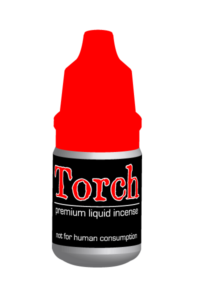
K2 Liquid Spray
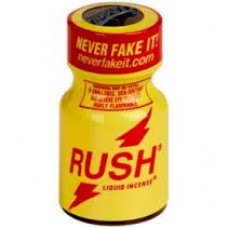
K2 Liquid Spray
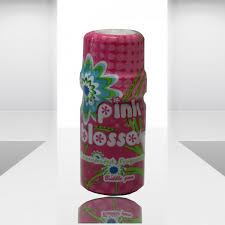
K2 Liquid Spray
K2 Liquid Spray
K2 Liquid Spray
K2 Liquid Spray
K2 Liquid Spray

K2 Liquid Spray
K2 Liquid Spray
K2 Liquid Spray
K2 Liquid Spray
K2 Liquid Spray
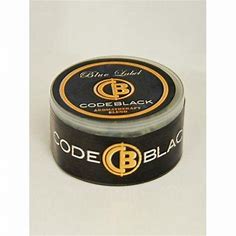
K2 Liquid Spray
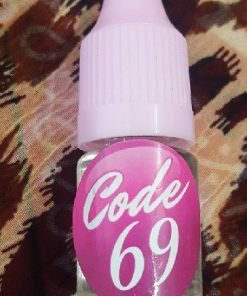
K2 Liquid Spray
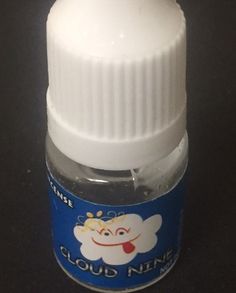
K2 Liquid Spray
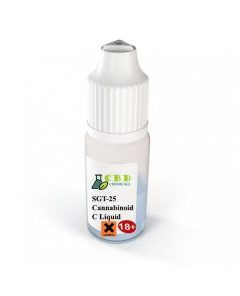
K2 Liquid Spray
K2 Liquid Spray
K2 Liquid Spray
K2 Liquid Spray

K2 Liquid Spray
K2 Liquid Spray
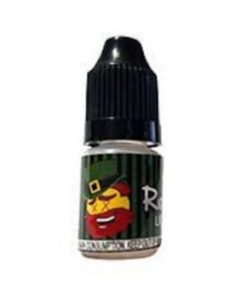
K2 Liquid Spray
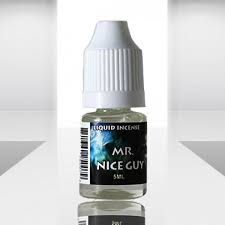
K2 Liquid Spray
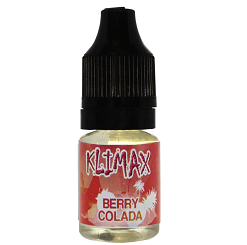
K2 Liquid Spray
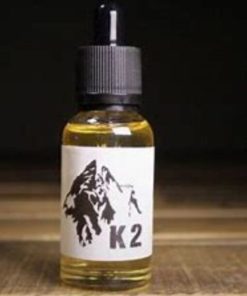
K2 Liquid Spray
K2 Liquid Spray
K2 Liquid Spray
K2 Liquid Spray
K2 Liquid Spray
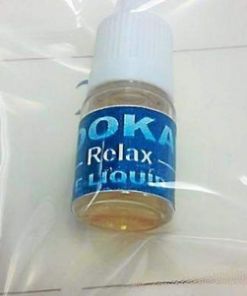
K2 Liquid Spray
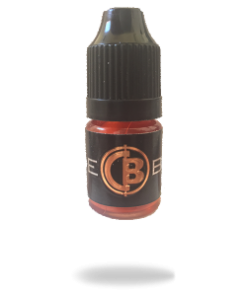
K2 Liquid Spray
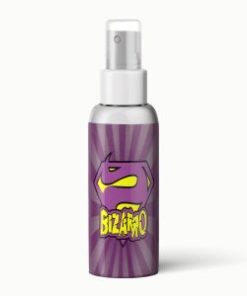
K2 Liquid Spray
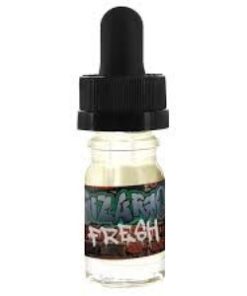
K2 Liquid Spray
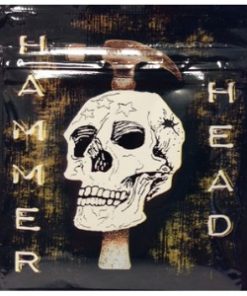
K2 Liquid Spray
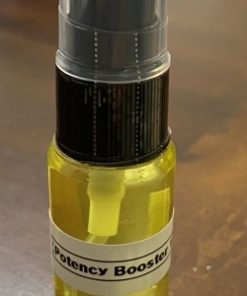
K2 Liquid Spray
K2 Liquid Spray
K2 Liquid Spray
k2 powder incense
k2 powder incense
k2 herbal incense
k2 powder incense

Liquid k2 on paper

Liquid k2 on paper

Liquid k2 on paper

Liquid k2 on paper

Liquid k2 on paper

Liquid k2 on paper
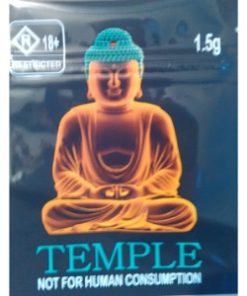
k2 herbal incense